

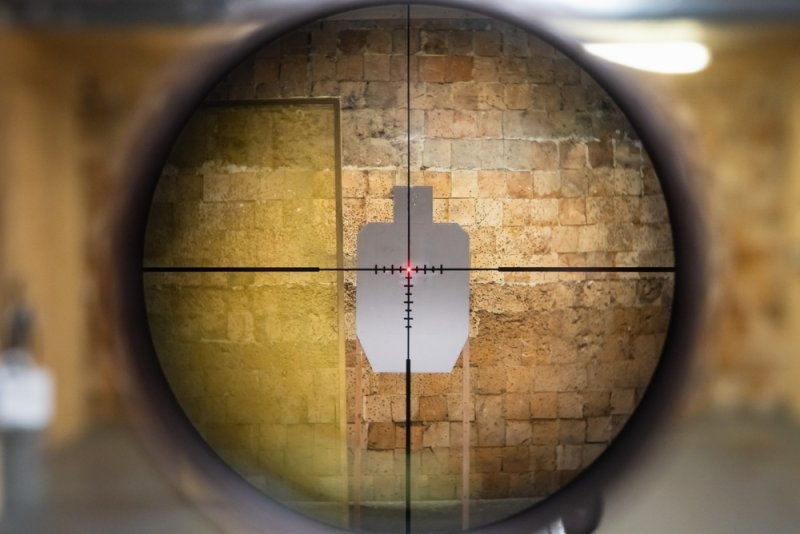
Winning a firefight isn’t always about slamming that left mouse button first. Where you place your crosshair, how quickly you react, controlling your mouse, and making snap decisions—that’s what really counts. Aim training lets you develop these skills through repeatable drills, instead of just hoping you get lucky in a match. But don’t kid yourself: More practice isn’t always better. If you let sloppy habits slip in, they get stuck. That’s harder to fix if you keep repeating them every day.
Your real goal? Make accurate shots feel second nature, even when the pressure’s on. This blog dives into practical aim training tips, exercises that actually help, a look at how different methods stack up, and ways to track your progress—without spending all your free time on practice.
Aim training works by turning deliberate movements into repeatable habits. Players learn to move their crosshair efficiently, stop overcorrecting, and react to targets without making every shot a guess.
Good crosshair control starts before an opponent appears. If you keep your crosshair at head level and watch where enemies usually show up, you won’t have to whip your aim around as much. That’s big, because even quick players lose time fixing bad crosshair placement. If you want to get better at aiming, focus on holding angles, tracking moving targets smoothly, and making small adjustments. Avoid dragging your mouse all over the place.
One useful example is clearing a doorway. A crosshair pointed at the floor requires a large upward correction, while one already positioned near head height is ready for the encounter.
If you are wondering how to improve aim, begin by identifying the mistake behind missed shots. Are you moving past the target, reacting late, or struggling to follow movement? Each problem needs a different drill. Aim training works best when you target one weakness at a time, not everything.
Set aside 15 to 25 minutes for focused practice. Afterward, check how you did, tweak the drills if needed, and stop when you’re making mistakes because you’re tired. Longer sessions help only if you can keep your focus sharp.
Don't Miss: An Ultimate Competitive Gaming Strategy for Beginners
Different shooters have their own style. Don’t just copy someone else’s routine if their game is totally different from yours.
Tactical shooters want precise crosshair placement and controlled flicks, while fast arena shooters need you to track targets constantly, switch between enemies fast, and land shots while you’re moving.
A player using a precision rifle needs reliable single-shot accuracy, while someone using a tracking-heavy weapon benefits from smoother movement and sustained target control.
The right practice routine depends on what your game asks you to do most often.
| Aiming style | Main skill | Useful practice |
|---|---|---|
| Flick aiming | Fast target acquisition | Snap to stationary targets. |
| Tracking | Following moving targets | Maintain contact with moving bots. |
| Target switching | Moving between opponents | Alternate between several targets |
| Precision aiming | Small, controlled adjustments | Hit small targets at varied distances. |
| Crosshair placement | Predicting enemy positions | Clear corners at head level |
Use the comparison to choose a priority, not to practice every style equally. If tracking is already strong but flick shots keep missing, spend more time on flicking until the gap narrows.
A useful routine combines accuracy, movement, and reaction drills with enough variety to expose mistakes without making the session complicated.
These aim training exercises can be completed with a dedicated trainer or adapted to the practice range inside your game.
Apply these skills in a short deathmatch or practice round. Focus on the skill you just worked on. Track your accuracy and missed shots. If you get faster but your accuracy drops, slow down a bit and build your control back up. Progress matters more than chasing a flashy score.
Let’s say you hit 35 out of 50 targets in a flick drill—70% accuracy. Next session, you nail 40 out of 50, so you’re up to 80%. That is a measurable improvement, provided the drill difficulty remains comparable.
But raw scores can mislead. A player might improve in a stationary-target exercise yet struggle against moving opponents. Keep testing your aim in real matches. Notice if missed shots are because you weren’t in the right spot, rushed your click, or just got caught off guard by weird enemy movement.
Suggested Reading: How to Improve Valorant Communication for Team Wins
In the end, the best training is what makes you consistent without feeling like a chore. It should help, not burn you out. Small adjustments, repeated carefully, are usually more useful than changing your entire setup every few days.
Changing mouse sensitivity repeatedly makes it harder to judge whether your control is improving. Choose a comfortable setting, then give yourself time to adapt. Your mouse, available desk space, and grip also affect movement, but expensive equipment is not a requirement for accurate aim.
The best aim training techniques rely on repeatable conditions. Keep your sensitivity, field of view, and practice settings consistent whenever possible. Adjust them when there is a clear problem, not after every bad match.
A trainer score is only one measure of skill. Useful progress indicators include first-shot accuracy, time needed to acquire a target, tracking stability, and performance during real matches.
A quick review after practice can reveal patterns. Perhaps you hit stationary targets easily but lose accuracy when strafing. Perhaps your first shot lands well, but follow-up shots drift. Make the next session address that specific weakness.
For a more reliable review, use this simple checklist:
Improvement is rarely a straight line. Some sessions will feel worse, even when your overall performance is rising.
Also Read: Best Methods to Improve Gaming Skills and Game Performance
The best results come from having a plan. Train things like crosshair placement, tracking, flick shots, and target switching, but spend more time on the things you struggle with most. Stick with the same settings, pay attention to your stats, and check if your aim holds up in regular games. Remember, aim training should help you play better, not just serve as a substitute for actual gameplay.
There’s no magic routine that works for everyone. Your scores will go up and down every day. The trick is to focus on solid control, not just fast progress. Practice with purpose, watch for your mistakes, and tweak one thing at a time. That’s how solid aim becomes second nature.
Absolutely. Run drills with your controller—tracking, target switching, small adjustments—all of it counts. Just keep your stick sensitivity and dead zone settings the same while you’re learning.
Not really. It makes your aim mechanically better, but it won’t get rid of lag. A smooth connection and smart game settings still matter when the stakes are high.
Before you play, try a quick five- to ten-minute warm-up. It’ll help you get comfortable with your sensitivity and movement so you don’t burn out before the action even starts.
Not directly. If quick camera movements make you feel sick, try lowering the motion blur, changing your field of view, or adjusting sensitivity. Take breaks when you need them.
For sure. Even if you’re just playing for fun, better aim means better shots and less frustration. You don’t need a hardcore routine—just try a few focused sessions each week and see how it goes.
This content was created by AI